
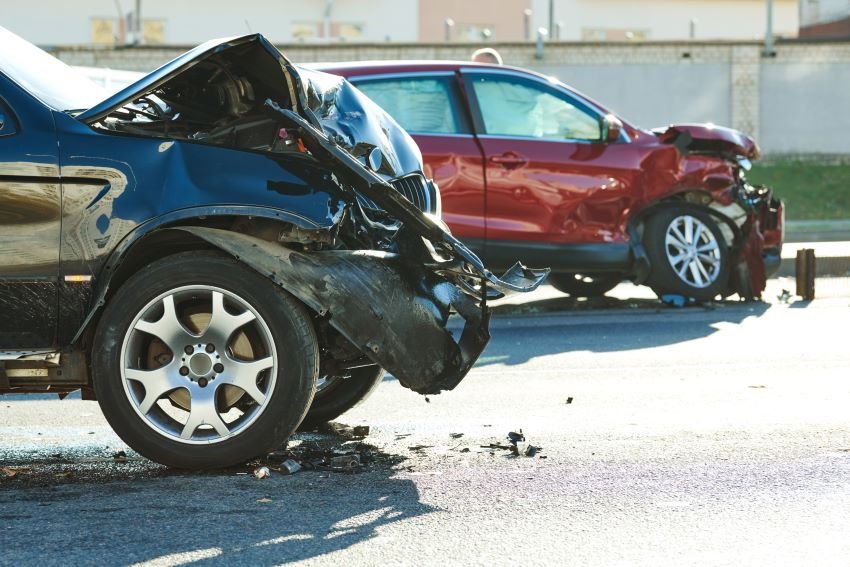
Do you think a severe vehicle accident ends when the damaged vehicles are removed from the accident scene? Reality is the opposite. Following a severe vehicle accident, the primary focus tends to be on the physical injuries sustained and the damage to the vehicle involved.
However, once the initial chaos settles, conditions can vary. Individuals may face unexpected physical, emotional, financial, and legal challenges that can significantly affect their future life.
In this article, we’ll explain how these aftereffects can help accident victims recognize problems early and take steps to protect their health and legal rights.
Right after a bad vehicle accident, everything happens fast. People worry about getting doctor help, fixing the car, and calling the insurance company. But the problems usually last a lot longer than the day of the crash.
A serious car accident usually causes these things to happen in order:
The car gets hit, and people get hurt.
Going to the hospital or doctor to get better.
Paying big bills for the doctor and the car.
Taking a long time to heal and feel normal again.
First, police and doctors come to help and document exactly what happened. This paperwork is super important later to show whose fault the crash was and to get money to pay for the broken car and doctor bills. In states like Utah, with strict insurance laws, victims may face additional challenges in a severe car accident.
Absolutely. Not all injuries are related to physical health and become noticeable for hours, days, or even weeks. Psychological factors like shock, stress, and inflammation can temporarily hide symptoms after a crash. Many people take unforeseen injuries lightly and regret it later. Common delayed injuries after severe vehicle accidents include:
Sudden forward and backward movement during a crash, mostly in rear-end collisions, causes whiplash. Some people recover quickly, while chronic pain patients may require long physical therapy sessions and ongoing medical treatment. Their symptoms may include:
Neck pain and stiffness
Headaches
Limited range of motion
Shoulder pain
Muscle tenderness
Sudden force, movement, or collision causes traumatic brain injury (TBI). Victims may feel well, but brain issues may appear later. Possible signs include:
Memory problems
Difficulty concentrating
Headaches
Dizziness
Mood changes
Fatigue
High-speed auto accidents can damage your spine and surrounding nerves. These require rehabilitation, pain management, or future medical care. Victims may experience:
Back pain
Herniated discs
Tingling sensations
Reduced mobility
Long-term nerve problems
Here are the three core aftereffects that a person faces following a serious auto accident:
Though physical injuries are clear shortly after the incident, the emotional and mental pain might only become apparent over time. Victims of significant vehicle accidents commonly report experiencing conditions like PTSD, anxiety, depression, and specific phobias associated with driving or being in vehicles. These issues can severely affect one’s daily life, personal relationships, and well-being. The psychological impact of such events can be as debilitating as the physical injuries, requiring expert mental health care for recovery and management.
The economic effects of a significant vehicle accident go beyond the upfront costs of medical care and auto repairs. Affected individuals might suffer income loss due to their inability to work and ongoing medical and recovery expenses. Furthermore, there are often hidden costs, including higher insurance premiums, the need for alternative transportation solutions, and home adjustments to meet injury-related needs. These economic burdens can cause significant distress and instability, affecting victims and their families over the long haul.
The journey to recovery from a severe vehicle accident not only affects the victim but also puts pressure on personal relationships. Relatives and friends might find themselves in caregiver roles, changing the dynamics of relationships and creating additional stressors. Limitations on the victim’s ability to take part in social gatherings, pursue hobbies, and attend family events can lead to social isolation and weakened bonds. Moreover, the emotional and economic pressures following the accident can worsen conflicts or lead to new relationship challenges.
Insurance companies typically review medical evidence, accident details, and documentation when evaluating the consequences of a severe vehicle accident. Insurance adjusters may examine:
Police reports
Medical records
Treatment history
Doctor statements
Accident photographs
Evidence connecting injuries to the collision
Insurance companies may also consider whether an injured person has reached Maximum Medical Improvement (MMI). Meaning the condition has stabilized and future medical needs can be better evaluated.
Delayed symptoms may lead insurers to question whether an injury is accident-related. Consistent medical care and clear documentation help prove the connection and support your injury claim.
If an accident occurs in Utah because of another party’s negligence, victims may be able to seek compensation for damages under Utah Code § 31A-22-307. A personal injury claim may involve legal concepts such as:
Negligence
Liability
Comparative fault
Economic damages
Non-economic damages
Settlement negotiations
Compensation may include:
Medical expenses
Lost wages
Future medical costs
Property damage
Pain and suffering
Permanent disability-related losses
In these cases, the compensation amounts depend on fault, evidence, injury severity, and state laws. Victims must prove the other driver caused the crash and their injuries.
Strong documentation can help explain treatment gaps and show that your injuries are related to the accident. Helpful evidence includes:
Medical records
Doctor evaluations
Police reports
Accident scene photographs
Witness words
Treatment records
Expense documentation
Insurance adjusters look for specific behavioral gaps to lower your payout. Avoid these critical errors:
|
Action / Mistake |
How Insurers Weaponize It |
Financial & Legal Fallout |
|
Delaying Medical Care |
“The injury didn’t happen at the crash scene.” |
Breaks the link between the crash and your injury; claim may be denied. |
|
Skipping Follow-Ups |
“The patient is fully healed or exaggerating.” |
Missing rehab sessions gives insurers a reason to slash your compensation. |
|
Early Recorded Statements |
“The victim admitted fault or downplayed pain.” |
Casual phrases (e.g., “I’m fine”) are used to cap your pain and suffering payout. |
|
Accepting Quick Offers |
“The case is closed permanently.” |
You waive your right to sue if hidden injuries appear weeks or months later. |
|
Poor Documentation |
“There is no proof of daily limitations.” |
Without a clear paper trail of receipts and symptoms, your claim value drops. |
If symptoms appear after a vehicle accident:
Seek medical care.
Follow your treatment plan.
Document symptoms.
Keep medical records and expenses.
Preserve accident evidence.
Learn your legal options.
Ignoring delayed symptoms may worsen injuries and affect your claim. Hernandez Injury Law helps Utah people understand their legal rights after a serious vehicle accident.
In Utah, your own Personal Injury Protection (PIP) insurance pays for initial medical expenses. If your injuries surpass Utah’s legal threshold, the at-fault driver’s insurance can be held responsible for remaining medical bills and future care.
Yes. Minor impact vehicle accidents can also sometimes cause neck, spine, or soft tissue-related injuries that can take a long period to heal.
After a car accident, the duration of Post-Traumatic Stress Disorder (PTSD) can extend from a few months to years or a lifetime if not treated properly. The timeline varies with the accident severity, personal trauma history, and treatment you receive.
Yes, it is possible. Sudden trauma and physical impact like muscles, joints, nerves, or the spine injuries after a severe car accident can cause chronic pain. Such injuries may require ongoing treatment and care.
A serious vehicle accident can alter a person’s life not just that day but for a long period. There are emotional, medical, legal, and money-related issues a victim has to face afterward. To protect your health as well as your legal rights, you need to understand what rights Utah law gives you. A professional legal firm like Hernandez Injury Law can help you in this regard from start to end at no cost. Wait no longer and contact us to handle the legal pressure so you can focus on recovery.
